BioDynLab
We leverage Artificial Intuition to augment human health by empowering biomedical R&D with new knowledge that leads to medical breakthroughs
The Science of Molecular Complexity
A quantitative link between structure, dynamics, and biological function
Our Technology Platform and Product
Molecular complexity is a quantitative manifestation of the intricate dynamics of its atoms and measures encoded information, mapping its distribution. Decomposition of complexity into its components - the Atomic Participation Factors - identifies which atoms and to what degree drive biological function. Learn more
OPTIMUS™, is physics-based and combines Molecular Dynamics and the Quantitative Complexity Theory (QCT), to produce Atomic Participation Spectra. Knowing which atoms drive molecular dynamics delivers new insights and assists medicinal chemists by helping accelerate lead optimization.
The proprietary, training-free technology powering OPTIMUS™ is fast, bias-free and provides 100% explainability. Learn more
Conventional Molecular Complexity measures are static (intrinsic) in nature and they don’t correlate with key drug properties as reported in the literature. A new, dynamic complexity measure, based on the Quantitative Complexity Theory, is extrinsic in nature and is obtained by analyzing the actual dynamics of a vibrating molecule in given conditions, e.g., temperature, pressure, pH, etc., using Molecular Dynamics Simulation (MDS) tools.

Accelerating Lead Optimization
OPTIMUS™ focuses on the intrinsic complexity of molecular architectures, offering a complementary dimension to potency-driven optimization, especially in early hit-to-lead or lead refinement phases where subtle changes in topology or electron distribution critically impact activity and selectivity.
Seamless Workflow Integration
OPTIMUS™ outputs can be readily integrated with existing cheminformatics and design tools without adding excessive computational complexity.
Analog Prioritization at Scale
OPTIMUS™ evaluates batches of analogs in lead series, helping prioritize which compounds to synthesize first.
Universal Applicability across Novel Targets
OPTIMUS™ delivers prioritization insights without requiring training data, enabling rapid deployment across novel targets and data-sparse therapeutic areas including orphan and rare diseases. Learn more
Our Services
Hit-to-lead or Lead Refinement
Complementary dimension to potency-driven optimization especially in early hit-to-lead or lead refinement phases where subtle changes in topology or electron distribution can critically impact activity and selectivity.
Integration with AI pipelines
Augmenting AI-enabled multi-parameter optimization for ADME/Tox prediction by combining it with atomic participation factor driven optimization.
Protein Complexity Profiling
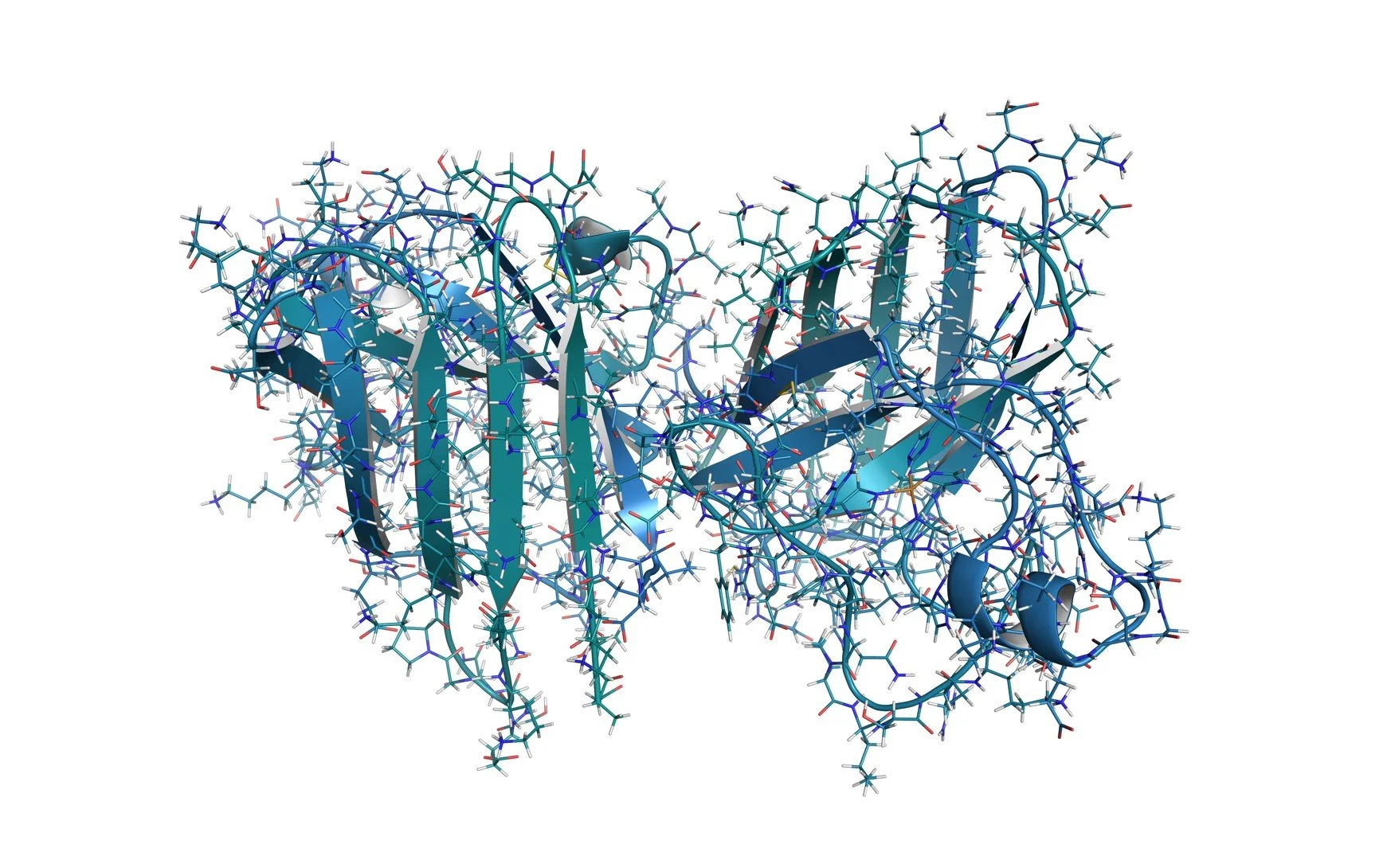
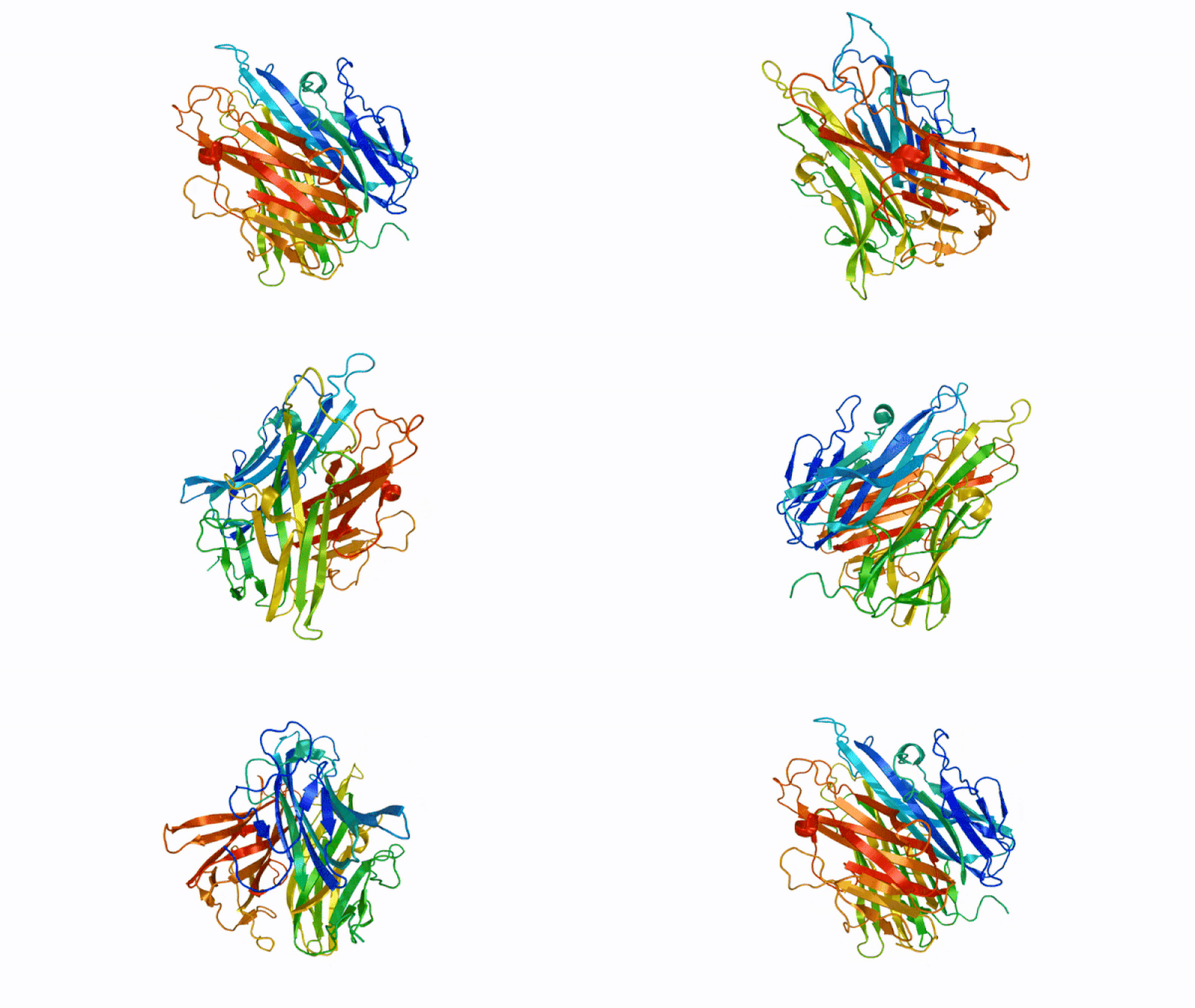
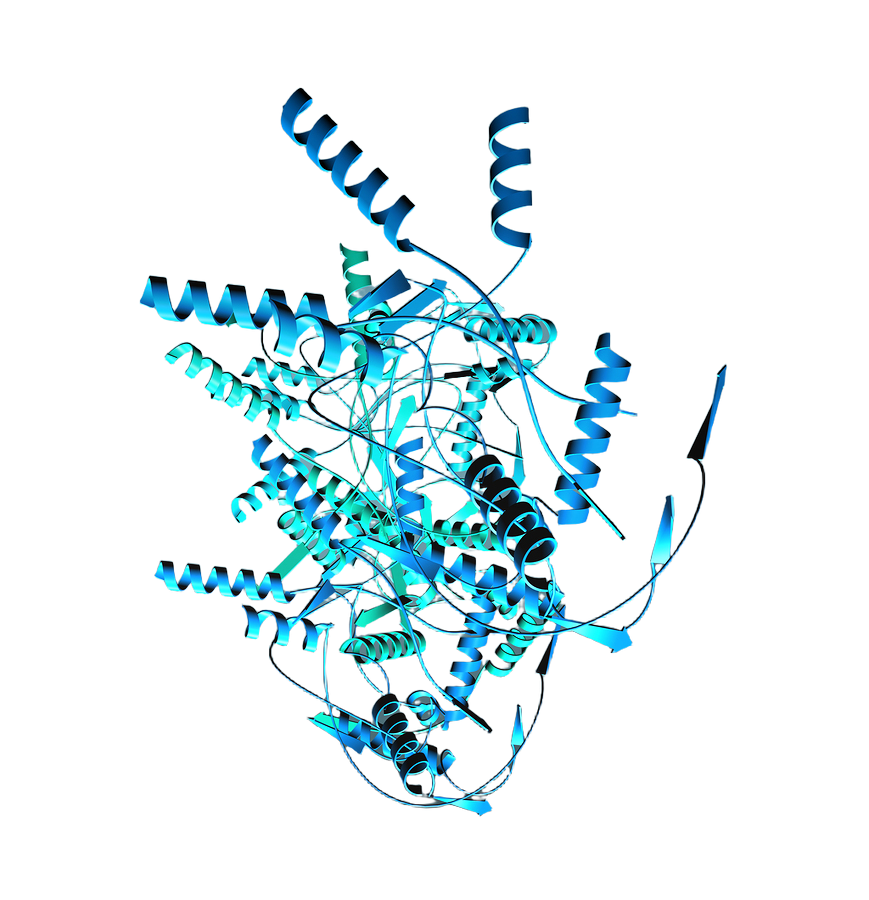
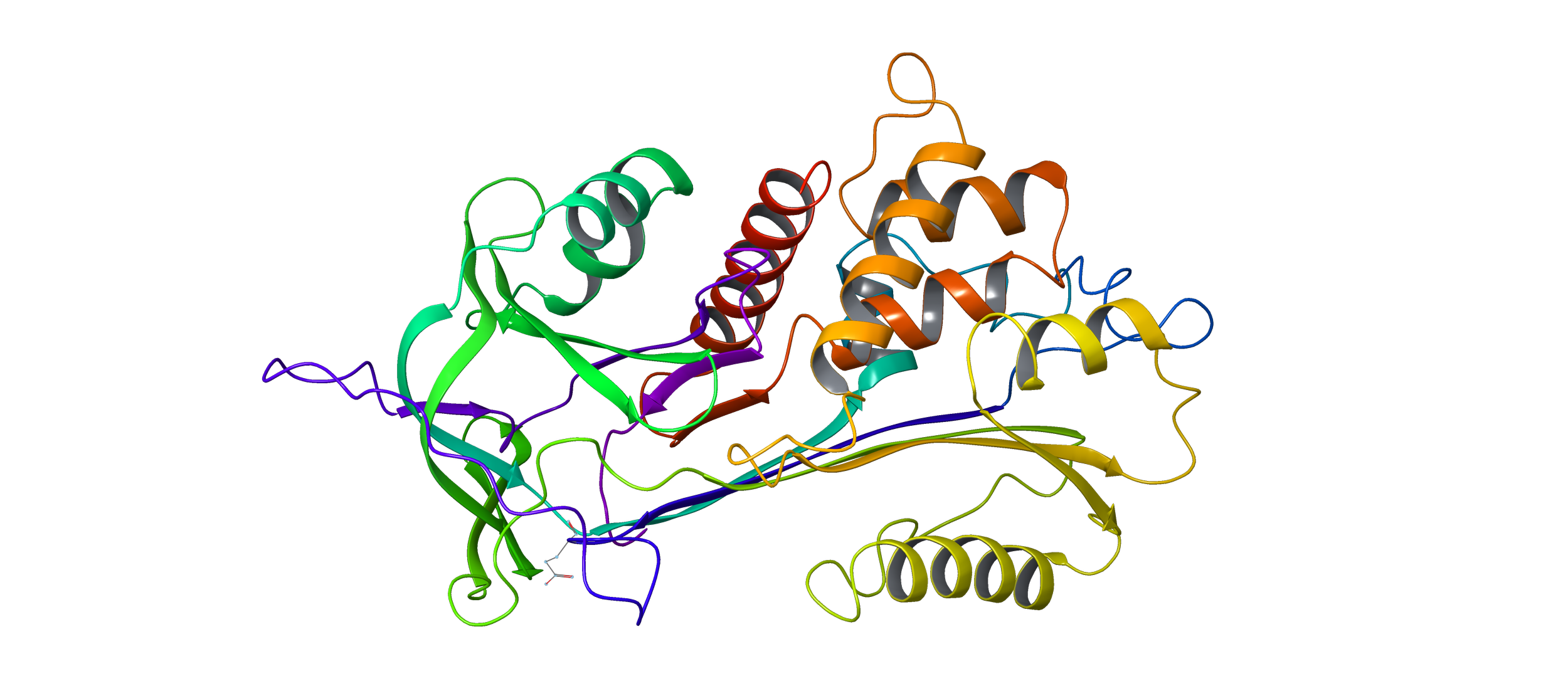
Identification of Amino Acid Participation Spectra of proteins and protein-ligand ensembles. QCT analysis of the complexity of a protein’s dynamics identifies key drivers of its structural stability. Amino acids with the highest complexity footprint are mainly hydrophobic, and are involved in the stabilization of the protein’s structure, opening the path to rational modification and design.
Analogue Prioritization and Design
Identifying structural motifs with optimal complexity profiles linked to biological performance, providing an interpretable structural novelty, reducing over-engineering of analogues.
The value OPTIMUS™ offers to R&D teams
Improved Compound Prioritization
OPTIMUS™ provides better guidance about which chemical modifications are likely to succeed, reducing time and resouce spent on low-potential compounds.
Higher Compound Success Rates
OPTIMUS™ Improves the success rate of designed compounds, meaning fewer DMTA cycles are needed to identify candidates.
Knowledge Discovery
The link between molecular dynamics (MD) and biological function is at the very heart of modern structural biology. Molecular Complexity is that link and it reveals how molecules use motion to process information. It bridges physics and information theory, providing unconventional tools for the analysis and understanding of information transmission processes.
Accelerated Lead-to-Candidate Progression
OPTIMUS™ compresses overall lead optimization timeline through enhanced decision-making and cycle efficiency.